It is easy to fall in love with a wedding venue in a photograph. The harder part is working out whether it will still feel right once you add your actual guest list, budget, vendors, weather, family logistics and the way you want the day to unfold. A beautiful view is a wonderful start. You also need enough bathrooms, a sensible rain plan and somewhere for Aunt Linda to sit while everyone else is attempting the Electric Slide.
We host weddings at the Maine Wedding Barn, so we are naturally fond of barn celebrations. We also know they are one option among many. Some couples will be happiest in a hotel ballroom, at an inn, in a restaurant, beside a lake or in a simple community hall they can transform themselves. Choosing well begins with an honest look at the experience you want, what budget you’re working with, and how much work you are willing to take on.
Start with the day you want
Before you book tours, sit down together and describe the wedding in ordinary language. Do you picture everyone staying in one place for a full weekend, or a relaxed afternoon followed by dinner and dancing? Do you want the ceremony outside? Is excellent food the main priority? Will the dance floor be busy until closing time? Are you excited by a hands-on project, or would you prefer a venue team to handle most of the practical setup?
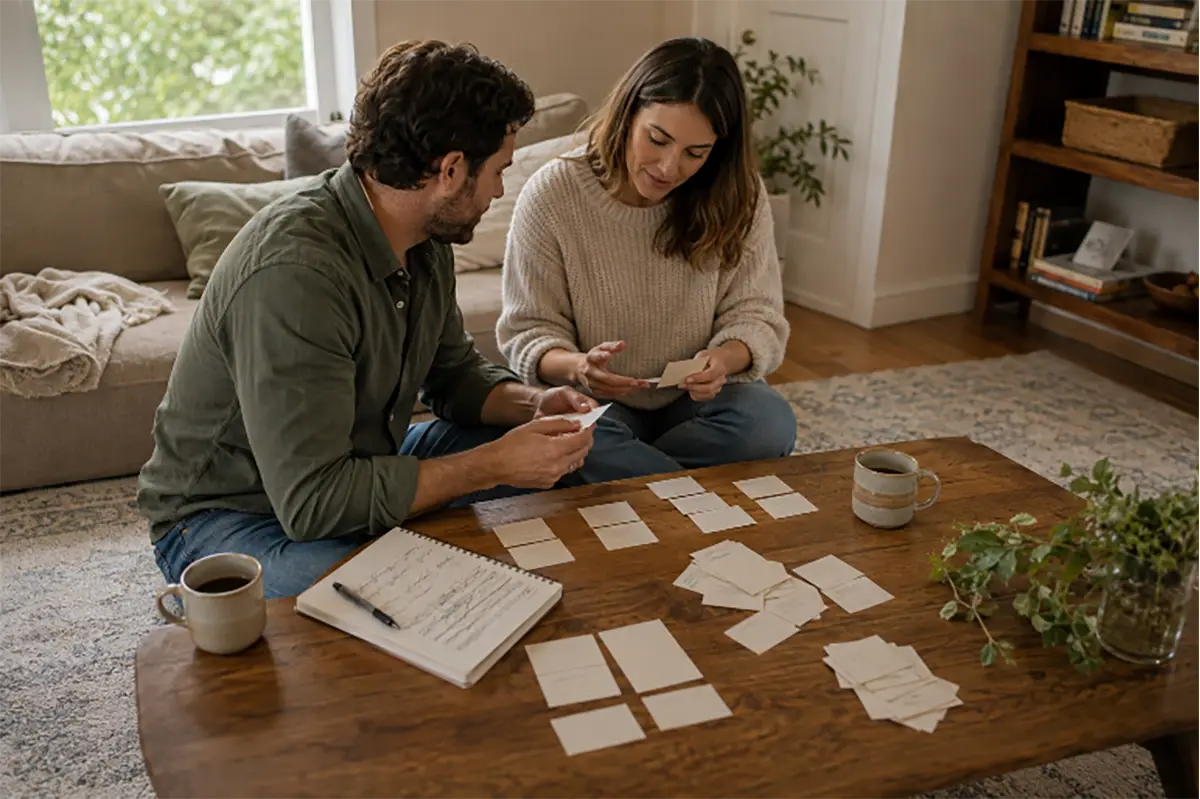
Maybe write down five priorities and agree on two or three areas where you can be flexible. Add an approximate guest count and a total budget before you start browsing. This gives you something sturdier than instinct when every venue gallery looks gorgeous. It also makes tours more productive because you can ask questions about the day you are planning, rather than a hypothetical wedding that bears little resemblance to yours.
Know what different types of wedding venue involve
Barn venues sit on a broad spectrum. Some are working agricultural buildings opened for occasional events. Others are newly constructed event spaces designed to provide the look and layout of a barn. A third group begins with an authentic farm building and carefully transforms it around the needs of modern weddings. Those differences affect the atmosphere, the facilities and the amount of work waiting behind the photographs.
The Maine Wedding Barn belongs firmly in that third group. The original farm barn, timber and history give the property character that was earned over time, while the transformation added the permanent restrooms, power, lighting, parking, bar service, getting-ready areas and practical support a modern wedding needs. The team also knows the building through years of hosting weddings and events there. Whatever kind of barn you tour, ask what is permanent, what must be rented, how long the venue has operated and who will be present to run the day. The word “barn” alone tells you very little about the experience.
Hotels and resorts can be convenient for guests who want rooms, catering and the celebration under one roof. Their banquet systems may be highly practiced, although the wedding can share the property with conferences, other celebrations and ordinary hotel traffic. Ask who will manage your event, how many functions may run at the same time, which spaces are private and how much freedom you have with food, drinks, décor and timing.
Inns, estates and historic homes can feel intimate and full of character. Their layouts were not always created for large events, so explore capacity, accessibility, noise limits, parking and the route between different parts of the day. Older buildings can be magical. They can also have narrow stairs and exactly one electrical outlet where the band needs six.
Restaurants are a strong choice when food and service lead the wish list. Much of the furniture, staffing and atmosphere may already be in place. The trade-off can be less room for a ceremony, dancing or personal décor, along with guest-count limits and fixed menus or beverage arrangements.
Outdoor sites, private land and family properties offer enormous freedom and a deeply personal setting. They usually ask more of the couple. You may need a tent, flooring, power, lighting, water, restrooms, waste removal, catering equipment, parking staff, permits and a weather plan. Price the supporting infrastructure before deciding that free land means a low-cost venue.
Community halls, museums, galleries and industrial spaces can be flexible and distinctive. Some are affordable blank canvases; others operate as fully supported event venues. Find out what must be brought in, when access begins, who cleans afterward and whether the space has restrictions on noise, flames, alcohol, hanging décor or outside suppliers.
Picture your real guest list in the space
Capacity numbers need context. A room that technically holds 200 people can feel very different once it contains dining tables, a dance floor, a bar, a buffet, a band and clear routes for servers and guests. Ask to see floor plans or photographs from weddings close to your guest count. If your celebration is smaller, check whether the space can be arranged to feel warm and lively rather than half empty.
Walk through the property in the same order your guests will experience it. Where do they arrive? What happens if they are early? How far is the ceremony from the restrooms? Where will cocktail hour take place while photographs are happening? Can older guests, wheelchair users and people with limited mobility move comfortably between each area? Accessibility is part of hospitality, and it is much easier to plan properly when you understand the routes from the beginning.
Calculate the full cost and the work behind it
Venue prices are difficult to compare because the inclusions can be completely different. One quote may cover the building and little else. Another may include tables, chairs, linens, setup, cleanup, bar staff, restrooms, parking and coordination. Put every venue into the same worksheet and add the rentals, staffing and services needed to reach the same finished wedding.
Pay attention to the labor hidden inside the plan. If the venue allows access for only a few hours, who will decorate, receive deliveries and set the tables? Who moves the ceremony if it rains? Who empties bins at the end of the night? Saving money can be worthwhile, but couples and families should know when the saving comes with a job description.
Take the weather plan seriously
One of the questions we hear most often on tours is what happens if it rains. Walk through the backup plan instead of accepting “we have one” as the answer. Where will the ceremony move? When is the decision made? Who makes it? How long does the changeover take, and where are guests during that time? The backup space should be somewhere you would still feel happy getting married.
Weather planning goes beyond rain. Ask about heating, cooling, shade, wind, mud, snow and evening temperatures for your season. Look at the parking area and paths as well as the ceremony setting. Maine weather has a sense of humor, and it rarely checks the wedding timeline before making an entrance.
Notice how the venue team communicates
The people behind the property will be part of your planning life for months. During the tour, notice whether they answer questions clearly, explain limitations without becoming defensive and show an interest in the wedding you are describing. Ask who your contact will be after booking and who will be present on the wedding day.
At the Maine Wedding Barn, one of our favorite moments is when couples stop examining the room and begin picturing their people in it. We also want them to understand how the property works. Clear answers during a tour are far more useful than an unwelcome surprise six months later. A reputable venue should be comfortable discussing its rules, its limitations and the parts of the day it handles well.
Notice whether the welcome is visible as well as promised. Forms, contracts and tour language should not assume every couple is a bride and groom. Ask whether the venue regularly hosts LGBTQ+ weddings and whether recommended vendors will treat your marriage with the same warmth and professionalism. At the Maine Wedding Barn, same-sex weddings are a familiar part of what we host. Couples should be able to discuss their ceremony, families and traditions without first having to establish whether they are welcome.
Questions to ask during a wedding venue tour
Use the questions below as a starting list and skip any that do not apply to the venue. Bring it on your phone, take notes and ask for written confirmation of anything that could affect the budget or plan.
Availability, capacity and access
- Is our preferred date available, and is it being held for anyone else?
- What guest count works comfortably for a seated dinner with a dance floor and bar?
- How many other events can take place on the property that day or weekend?
- When can we and our vendors enter, and when must everything be removed?
- Are the ceremony, reception, restrooms and parking areas accessible to guests with limited mobility?
Price, payment and inclusions
- What is included in the quoted price?
- Which rentals, staff or services will we need to arrange separately?
- Are there service charges, cleaning fees, taxes, overtime fees or required gratuities?
- What deposit is required, when are payments due and what is the cancellation or postponement policy?
- Is event insurance required, and are there specific coverage levels?
Food, drinks and vendors
- Must we use approved vendors, or can we choose our own?
- Is catering provided, and can dietary requirements be accommodated safely?
- How is alcohol handled, and does the venue hold the appropriate license?
- Are bartenders, security or other staff required?
- Where do caterers and other vendors load in, prepare and store equipment?
Weather, facilities and logistics
- What is the complete rain plan for the ceremony and cocktail hour?
- Who decides when to use the weather plan, and who carries out the change?
- How are the spaces heated, cooled and lit?
- Are there enough permanent restrooms for our guest count?
- Is there sufficient parking, and can shuttles or buses enter and turn safely?
- How far away are suitable hotels or other guest accommodations?
Setup, coordination and restrictions
- Who sets up tables and chairs, and who handles cleanup?
- What does the venue coordinator do before and during the wedding?
- Who will be our main contact, and who will be on site that day?
- Are there restrictions on candles, confetti, signage, hanging décor or amplified music?
- What time must music and bar service end?
- Can we hold the rehearsal here, and is there an additional fee?
- Where do the couple and wedding party get ready and store personal belongings?
- What happens if a vendor is late, equipment fails or another unexpected problem arises?
- Does the venue have experience welcoming LGBTQ+ couples and families from different cultural or religious backgrounds?
Compare your notes after the tour
Take ten quiet minutes after each visit and record your impressions before the venues begin to blur together. Score the options against your agreed priorities, total cost, workload, guest comfort, weather plan and confidence in the team. Add one simple question: can we imagine enjoying the planning process with these people?
A venue will never win every category. Look for a place that supports the wedding you care about without hiding a cost, restriction or practical problem that will hurt later. When the fit is good, you can usually feel the excitement and explain the reasons.